Visit us on Facebook:http://www.facebook.com/PodkrepaPdx
ANNOUNCEMENTS:
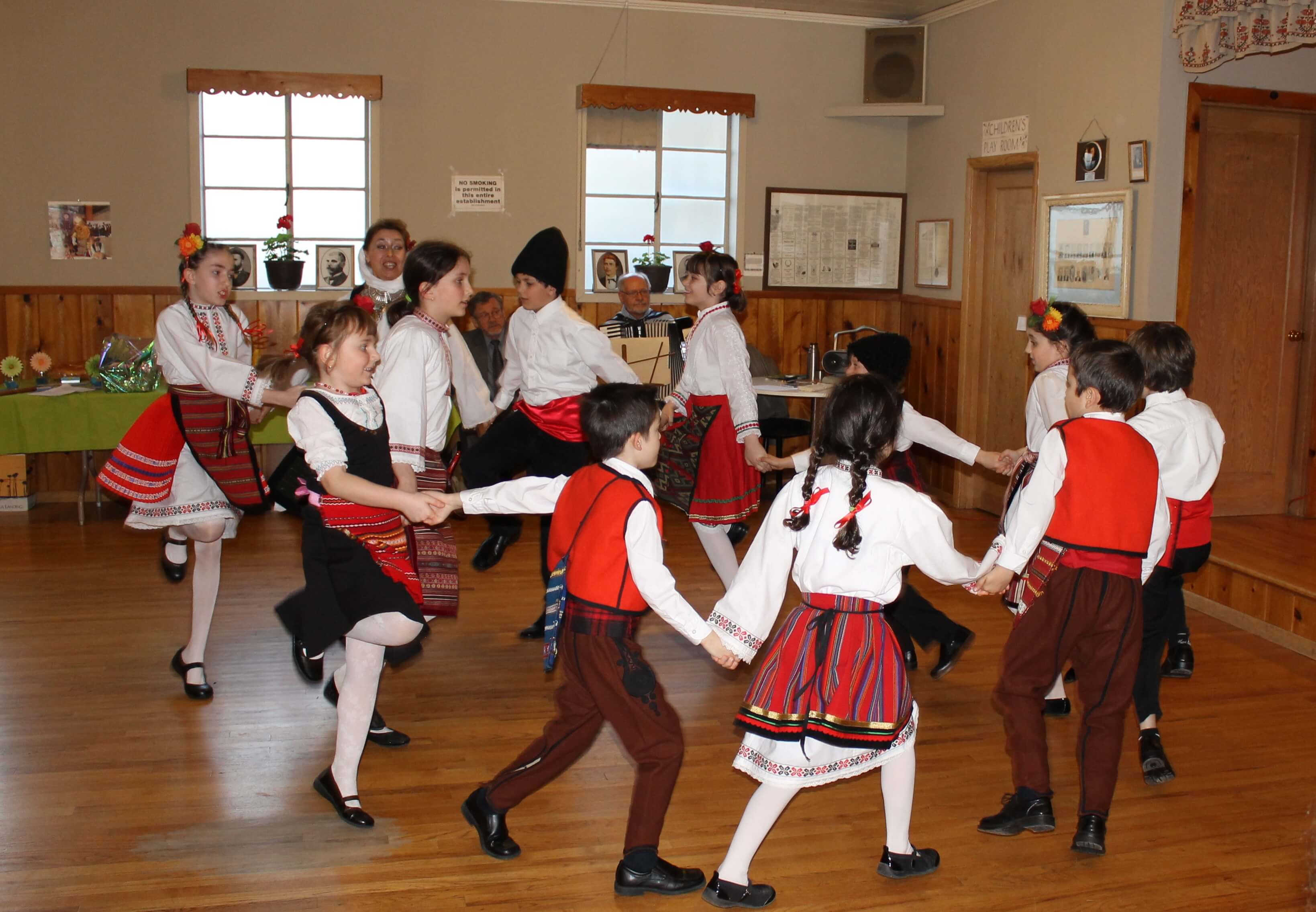
- June 2nd, 2013 - Bulgarian students performance at Podkrepa, end of the school year
- Bulgarian Literature/Poetry Circle began on January 27, 2013. Next meetings will be held on April 28th, May 19th and June 2nd, 6pm - 7:30pm
2116 N Killingsworth st. Portland, OR 97217
Podkrepa is a social organization founded at 1939 to help Bulgarian and Macedonian in Portland, Oregon to their new country - USA. In more recent years, our organization adjusted to unite Bulgarians, Macedonians, American Macedonians and American Bulgarians and to promote Bulgarian and Macedonian educational and cultural activities.
Podkrepa is a charitable organization - indeed, our charter and bylaws forbid any political or religious endorsements or discussions.
Any adult of good character, who was born or lived in Bulgaria or Macedonia, is a descendant of Bulgarian or Macedonian, or is a spouse of someone eligible to be a member, is invited to join Podkrepa.
POSTS: |
posted Feb 3, 2013, 8:52 PM by Tanya K
Dance and sing with
Daniela Ivanova!
Have great fun with our faithful, fantastic
band Kafana Klub from Portland!
Enjoy the most delicious ethnic Bulgarian
food in Oregon State!
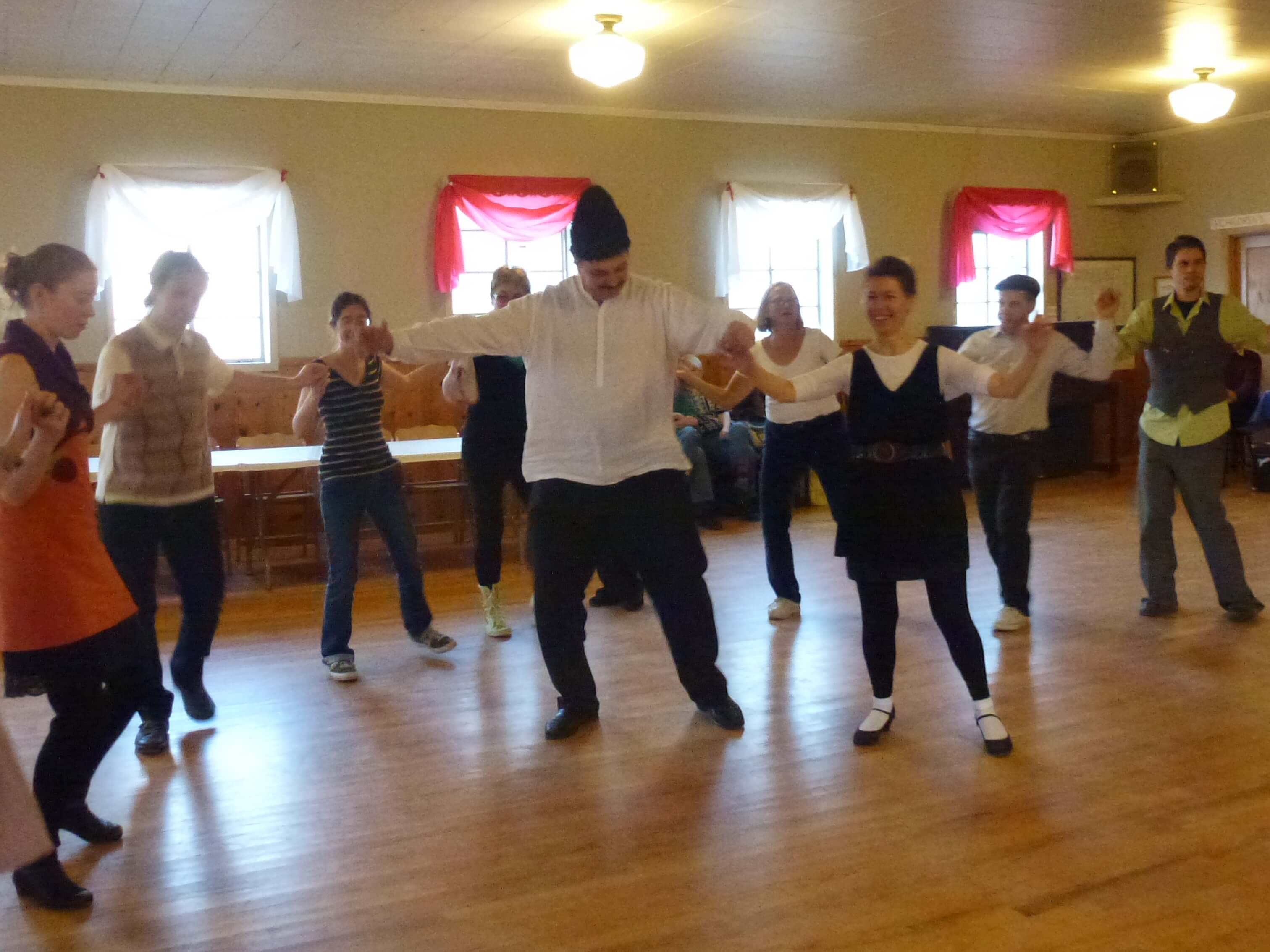
4:00 – 5:30 Dance workshop
5:30 – 6:15 Favorite Bulgarian and
Macedonian party songs
6:15 – 7:00 Potluck dinner
7:00 – 10:00 Dance party with Kafana
Klub
$10 for the dance
workshop
$ 8 for the singing class
$ 10 for the dance party
Spring Festival Package (dance
workshop, singing class and dance party) - $ 20
Children under 13 free
Payable at the door
Kafana Klub features: Dennis
Godfrey, Brent Geary, Kathy Fors, Maria Noel, Jill Poris, Cameron
Edens |
posted Aug 12, 2012, 8:13 PM by Tanya K
Thank you to all who helped make Podkrepa’s portion of
the Killingsworth Street Fair such a success! A special thank you to Alex
and Vesko and their helpers who sold out in three hours! Even the
restaurant workers across the street wanted the Gyros they barbecued.
Another special thank you to Luba who organized the dancers. They were so
colorful and professional-looking. It was so nice to see so many inside
Podkrepa and having a good time. One visitor said “everyone looks
so happy inside there.” Podkrepa is no longer quietly in the
neighborhood and the neighborhood seems to be excited to know we are
there. It would not have so successful without the willing participation
of many of you. Thank you so very much. |
posted May 19, 2012, 7:20 AM by Tanya K
May 24 is the Day Of Slavonic Alphabet, Bulgarian
Enlightenment and Culture. This day has been celebrated for 161 years
now – no other holiday was so long celebrated in Bulgarian late history.
On May 11 1851 a celebration was organized by Nayden
Gerov at the eparchy school `St St Kiril and Methody` in the town of
Plovdiv. This was the first time to be marked the Day of the Saint
brothers Kiril and Methody – the creators of Slavonic Alphabet. Since
1857 this day has been celebrated every year in Plovdiv, Tsarigrad,
Shumen and Lom and it was no by accident that May 11 was chosen - this
is the common Church Holiday of the two Saints.
The enthusiastic celebrating of the Day of the Saint brothers Kiril and
Methody by all Bulgarian people was a positive proof for their thirst
for enlightenment and science, for national self-defining and fast
economical and cultural advancement.
|
posted May 18, 2012, 9:25 PM by Tanya K
[
updated May 26, 2012, 2:01 PM
]
1:30pm-3:30pm
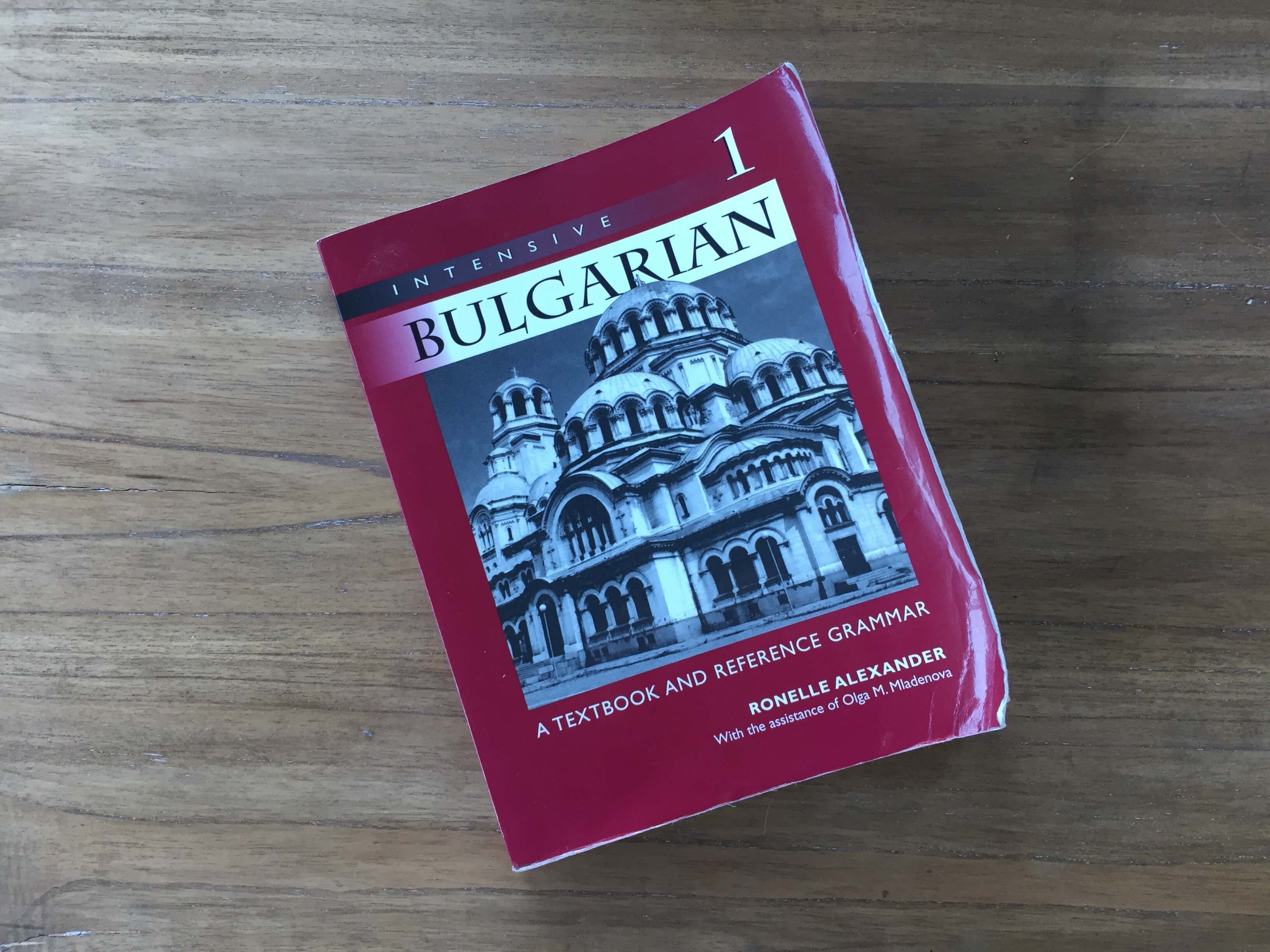
End of Podkrepa Bulgarian School inaugural year and certificates awards.
Language and folklore class, recital and dance/music performance open to parents and public |
posted Mar 6, 2012, 11:27 PM by Tanya K
[
updated Mar 7, 2012, 12:05 AM
]
March 8th is also known as the International Women's Day.
This holiday emerged as a political celebration to symbolize the fight
of women from all over the world for their rights, full equality with
men, democracy and peace. Flowers are the most popular gift choice on March 8. Yellow mimosas and roses are especially popular. Candy and chocolate are the next popular choice, followed by perfume and cosmetics. Честит Осми март на всички дами! |
posted Feb 26, 2012, 11:17 AM by Tanya K
[
updated May 19, 2012, 7:22 AM
]
On this day, remembered in history as Bulgaria Liberation Day, the
people of Bulgaria pause for a tribute. The first time of marking March 3
occurred in 1880, in honor of Enthronement of Russian Emperor Tzar
Alexander the Second - Tzar Osvoboditel, meaning Tzar Liberator. Since
1888, March 3 has become Bulgaria's Day of Liberation and it was
pronounced a National Holiday in 1978. Since 1990 the date March 3 is
included in the list of Bulgaria's official holidays, according to a
parliamentary decree.
Appropriately, Bulgaria honors Russian Tzar Alexander II as a primary
figure among its "founding fathers" with statues of him in many cities,
including one in the heart of its capital, Sofia. Decidedly a man of
peace, Tzar Alexander II became the reluctant champion of the oppressed
Slav peoples and in 1877 finally declared war on Turkey. Following
initial setbacks, Russian arms eventually triumphed, and, early in 1878,
the vanguard of the Russian armies stood encamped on the shores of the
Sea of Marmara. The prime reward of Russian victory -- seriously reduced
by the European powers at the Congress of Berlin -- was the
independence of Bulgaria from Turkey.
The struggle of the Balkan peoples for freedom from centuries of Ottoman
domination was reflected in the Ottoman Empire's strained international
relations: the Serbian-Turkish conflict of 1876; and the
Russian-Turkish wars of 1877 through 1878. The latter conflict was
resolved, for the time being, by the signing of the San Stefano Peace
Treaty on March 3, 1878. With Turkey defeated and weakened by internal
strife, the Russian Tzar was able to dictate the terms of the treaty. In
an attempt to secure enduring access to the Aegean Sea, he created the
new Bulgarian state on the Balkans. However, when the Western powers
convened for the Congress of Berlin in July, 1878, the Russian hopes for
creating a Greater Bulgaria on the Balkans were stymied.
The Treaty of San Stefano of March 3, 1878 provided for an independent
Bulgarian state, which spanned over the geographical regions of Moesia,
Thrace and Macedonia. However, trying to preserve the balance of power
in Europe and fearing the establishment of a large Russian client state
on the Balkans, the other Great Powers were reluctant to agree to the
treaty. As a result, the Treaty of Berlin (1878), under the supervision
of Otto von Bismarck of Germany and Benjamin Disraeli of Britain,
revised the earlier treaty, and scaled back the proposed Bulgarian
state. An autonomous Principality of Bulgaria was created, between the
Danube and the Stara Planina range, with its seat at the Old Bulgarian
capital of Veliko Turnovo, and including Sofia. This state was to be
under nominal Ottoman sovereignty but was to be ruled by a prince
elected by a congress of Bulgarian notables and approved by the Powers.
They insisted that the Prince could not be a Russian, but in a
compromise Prince Alexander of Battenberg, a nephew of Tzar Alexander
II, was chosen. An autonomous Ottoman province under the name of Eastern
Rumelia was created south of the Stara Planina range. The Bulgarians in
Macedonia and Eastern Thrace were left under the rule of the Sultan.
Some Bulgarian territories were also given to Serbia and Romania. |
posted Feb 26, 2012, 11:15 AM by Tanya K
[
updated Feb 26, 2012, 11:36 AM
]
Тодоровден
- празникът се отбелязва в първата събота на Великденските пости.
Преданията разказват, че на този ден светецът обличал девет кожуха и
отивал при Бога да проси за лято. Във връзка с изградената
представа за светеца на този ден стават надбягванията с коне. Отличилият
се кон бива накичен с венец и тръгва пръв за село, причакван вкъщи от
мома или млада булка. В къщата на щастливия домакин се спретва и хорото.
На този ден жените месят и раздават обредни питки и хлябове, наречени
„конче" или „копито", на които от тесто се измайсторяват съответните
фигурки. Хлябът се раздава на роднини и съседи за здраве на конете.
Много от пролетните ни празници са запазили елементи от по-стари
езически вярвания. Християнската религия се е приспособила към тези
стародавни практики, като е наложила върху тях патронажа на някой
християнски светец. Характерен пример за това е Тодоровден, който се
празнува за здраве на конете и същевременно като ден на св. Тодор.
В православния календар има шестима канонизирани от църквата светии,
носещи името Тодор, което означава „Божи дар", въпреки че в народното
съзнание липсва ясно разграничение. Двама от тях се
воини-великомъченици - св. Тодор Тирон и св. Тодор Стратилат, чиито
жития показват много общи моменти. Те са били римски войници,
канонизирани заради мъченическата си смърт в името на Христовата вяра.
Култът към тези двама воини-светии е особено разпространен в българските
земи и е намерил отражение в някои паметници на нашата художествена
култура. Така най-старата запазена до днес българска икона е
прочутото изображение на св. Тодор Стратилат от Преслав върху глазирани
керамични плочки (9-10 в.). А в уникалната живопис на Боянския
майстор от 1259 г. в Боянската църква са запазени образите на трима
светии с името Тодор: св. Тодор Тирон и св. Тодор Стратилат в редицата
на светците-воини, както и това на св. Тодор Студит, в житието на когото
се споменава, че за известно време е бил на заточение в Аполония
(Созопол). Последният заедно с преподобните св. Тодор Сикеот,
св. Тодор Освещени и св. Тодор Трихина са канонизирани заради техните
монашески подвизи. Интересно е, че народният празник
Тодоровден, който няма точно фиксирана дата, а зависи от началото на
великденския пост, не съвпада с църковния празник на нито един от
шестимата светии. Също така обичаят на Тодоровден да се
раздава варена царевица се свързва от православната църква с почитането
на паметта на св. Тодор Тирон. Неговото житие разказва, че около 50
години след смъртта на Тодор византийският император Юлиан Отстъпник,
който мразел християните, решил да им се подиграе. Знаейки, че през
първата седмица на Четиридесетница те пазят строг пост, той заповядал да
се поръсят с кръв от идолски жертви всички неща за ядене, продавани на
цариградския пазар. Тогава св. Тодор се явил на архиепископа и го
предупредил за това деяния, като поръчал на тези, които нямат храна у
дома си, да си правят коливо, т.е. да варят пшеница с мед. В продължение
на цяла седмица християните се хранели с колиао. За
благодарност към св. Тодор Тирон църквата запазила досега обичая - в
първата събота от Великия пост чрез коливо да го почита. На Тодоровден празнуват: Тодор, Тодорка, Теодор, Теодора. ЧЕСТИТ ИМЕН ДЕН НА ВСИЧКИ ИМЕННИЦИ!! |
posted Feb 26, 2012, 11:12 AM by Tanya K
[
updated Mar 3, 2012, 12:37 AM
]
Martenitsa is a small piece of adornment, made of white and
red yarn and worn from March 1 until around the end of March (or the
first time an individual sees a stork, swallow, or budding tree). The
name of the holiday is Baba Marta. "Baba" (баба) is the Bulgarian word for "grandmother" and Mart (март) is the Bulgarian word for the month of March. Baba Marta is a Bulgarian tradition related to welcoming the upcoming spring. The month of March, according to Bulgarian folklore,
marks the beginning of springtime. Therefore, the first day of March is
a traditional holiday associated with sending off winter and welcoming
spring.The same tradition is also held by thοse in the Republic of Macedonia, as well as in Greek Macedonia and Patras in the Peloponnese. Romanians also have a similar but not identical holiday on March 1, called "Mărţişor". If and how these two holidays are related is still a matter of debate between ethnologists. |
|